Rubbish removal near Tooting Market explained
Posted on 12/08/2026
If you have ever tried to shift waste around Tooting Market on a busy day, you will know it is not just about "getting rid of stuff". It is about timing, access, loading space, traffic, and making sure the waste ends up somewhere legal and properly handled. This guide to rubbish removal near Tooting Market explained breaks the process down in plain English, so you can decide what kind of clearance you need, what to expect, and how to avoid the usual headaches. Whether you are clearing a flat, a shop unit, a garden, or a pile of renovation debris, the aim here is simple: make the job easier, cleaner, and far less stressful.
Near the market, rubbish removal tends to be a bit more nuanced than a typical suburban collection. Spaces can be tight, the roads can be active, and people are usually working around opening hours, deliveries, and neighbours who would rather not hear a wheeled bin dragged across the pavement at 7am. So yes, the details matter. A lot.
To help you get a proper handle on it, this article covers how rubbish removal works locally, who it suits, common mistakes, pricing realities, compliance, and the best way to choose a service that fits your situation.
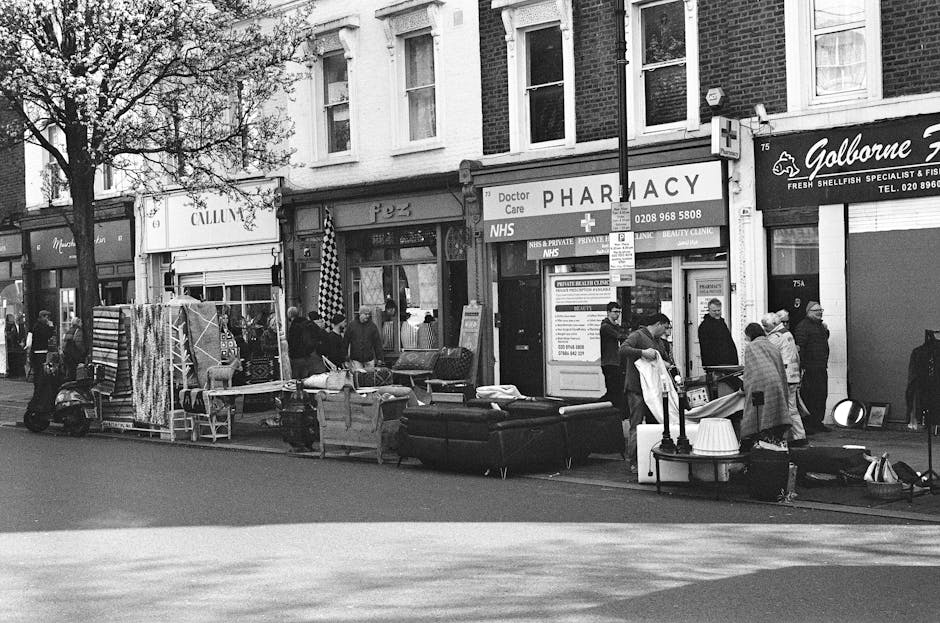
Why rubbish removal near Tooting Market matters
Tooting Market sits in a part of London where daily life is busy, mixed-use, and often unpredictable. That matters because rubbish removal in this area is rarely a simple "pull up, load, leave" job. You may be dealing with narrow access, parking restrictions, neighbours sharing walls, or a shopfront that still needs to stay open while the clearance happens.
It also matters because the type of waste people generate around the market is varied. One property might have old furniture from a flat move. Another might have cardboard, packaging, and broken display items from a small business. A nearby landlord may need post-tenancy clearance, while a homeowner could be facing a loft tidy-up that has somehow turned into a full-scale expedition. Truth be told, clutter has a funny way of multiplying when you are not looking.
Good rubbish removal saves time, but it also reduces friction. No one wants waste left outside for too long, especially in a lively area where footfall is high and space is shared. A tidy front is not only nicer to look at, it helps avoid complaints, access issues, and that awkward feeling of things just getting a bit out of hand.
Expert summary: In a dense local setting like Tooting Market, the best rubbish removal is not just fast. It is planned, compliant, and sensitive to access, timing, and the kind of waste being handled.
If you are thinking more broadly about living, moving, or investing locally, it can also help to understand the area itself. For example, readers exploring local moves often find our guides on living in Tooting and navigating Tooting real estate useful when planning bigger clear-outs around a tenancy or sale.
How rubbish removal near Tooting Market explained works
Most rubbish removal jobs near Tooting Market follow the same broad sequence, although the exact method depends on the volume, waste type, and access conditions. The simplest way to think about it is: assess, quote, remove, sort, and dispose responsibly.
1. Initial assessment
First, the waste is assessed. Sometimes that happens in person; sometimes it starts with photos or a description. The clearer you are at this stage, the better. A pile of mixed junk can sound small in a message and turn into half a van in real life. That is just how it goes.
2. Quotation and timing
Next comes the quote. A proper quote should reflect the type of waste, the amount of labour, and any access issues such as stairs, limited parking, or the need to work around opening hours. If the waste includes heavy furniture, white goods, or builders' debris, that will usually affect the price and the crew required.
If you want to understand how pricing is typically approached, it is worth reviewing the site's pricing and quotes information, along with the wider services overview.
3. Arrival and loading
On the day, the team arrives, checks access, and removes the waste safely. Good operators will separate items that can be reused or recycled where possible. They should also take care around shared entrances, stairwells, and public walkways, because near a busy market, even a small mishap can create a big inconvenience.
4. Sorting and disposal
After loading, waste is taken for sorting and disposal. The best practice is not just "take it away", but to route it through the correct disposal channels. This matters for mixed waste, electrical items, and anything that could be hazardous or restricted.
For example, you may be clearing out an old sofa, a broken microwave, some bags of general household rubbish, and a few odds and ends from a shed. Those are not all handled in exactly the same way, which is why experience counts.
5. Confirmation and wrap-up
Once the job is complete, you should be left with a usable, swept-through space and a clear sense of what was removed. That final bit sounds obvious, but it is the difference between a tidy clearance and a rushed job that somehow creates more mess than it solves. Nobody wants that.
Key benefits and practical advantages
There are a few obvious benefits to booking rubbish removal near Tooting Market, but the real value often shows up in the small details.
- Less disruption: A good team moves waste out quickly, which matters in a high-footfall area.
- Better access planning: Local crews understand parking, loading, and the realities of working in tight streets.
- Cleaner results: Waste is removed from the property, not just shuffled from one corner to another.
- Safer handling: Heavy, awkward, or dirty items are moved with the right approach.
- More time back: You do not have to hire a van, recruit friends, or spend your Saturday doing laps to a tip you are not familiar with.
- Improved compliance: Responsible removal reduces the risk of fly-tipping and poor disposal practices.
For householders, the most immediate benefit is relief. A spare room becomes usable again. A hallway stops looking like a holding bay. For businesses, the benefit is often presentation. When a shop unit, cafe back room, or office space is clear, it feels more manageable straight away.
And there is another angle too: sustainability. If items can be reused, separated, or recycled, that is better for the environment and better for the overall waste stream. If that matters to you, take a look at the site's recycling and sustainability approach.
Who this is for and when it makes sense
Rubbish removal near Tooting Market is useful for a surprisingly wide group of people. It is not only for people doing major renovations. In fact, some of the most common jobs are much smaller.
Homeowners and tenants
If you are moving house, refreshing a flat, or simply decluttering after years of "I will deal with that later", it makes sense. Let's face it, most people have a cupboard or loft area that is quietly becoming a museum of unfinished decisions.
Landlords and letting agents
Turnaround time matters in rental property. A swift, well-organised clearance can help with end-of-tenancy changeovers, pre-marketing presentation, and post-tenant resets.
Local shops and hospitality businesses
Independent businesses near the market may need support with packaging, shelving, display waste, old stock, or general back-of-house clutter. Commercial waste needs a slightly different mindset from domestic waste, especially where schedule and access are tight.
Builders, tradespeople, and renovators
Small refurbishments generate boards, broken fixtures, plaster, timber offcuts, and mixed rubble. A dedicated builders waste disposal Tooting service is usually the sensible route where the waste is bulky or heavy.
People clearing specific item types
Sometimes the job is quite focused: old sofas, beds, wardrobes, washing machines, fridges, or garden cuttings. In those cases, a service built around the item type can be more efficient, for example furniture removal, white goods and appliance disposal, or garden waste removal.
Step-by-step guidance
If you want the smoothest possible rubbish removal experience, a little preparation goes a long way. Here is a simple process that works well in real life.
- Walk the space first. Look at what is staying and what is going. It sounds basic, but clarity here saves time later.
- Separate waste into broad groups. Furniture, general rubbish, electrical items, green waste, and builders' waste are easier to handle when not tangled together.
- Take clear photos. A few wide shots and one or two close-ups usually help with quoting.
- Check access points. Stairs, basement steps, narrow doors, loading zones, and parking all matter.
- Choose a suitable time slot. Around a busy area like the market, timing can make the difference between a smooth job and a frustrating one.
- Confirm what happens to the waste. Ask whether recyclable materials are separated and whether the company is licensed to carry waste.
- Prepare the area. Move personal items away, protect floors if needed, and keep pets or children clear during loading.
- Do a final check. Before the team leaves, make sure nothing important was removed by mistake. It happens. Rarely, but enough to be worth checking.
A practical extra tip: if you are dealing with household clear-out waste plus a few heavy items, ask whether the operator can handle both in one visit. It is often more efficient than booking separate removals. For larger jobs, a broader waste clearance in Tooting service may be the better fit.
Expert tips for better results
After seeing the same kinds of jobs repeat over and over, a few patterns become obvious. These are the ones that tend to save time, money, and a bit of sanity.
- Be honest about volume: Understating the amount of waste often leads to a slower, more expensive job later.
- Group similar items together: It makes sorting and loading easier.
- Ask about heavy lifting: A wardrobe on a top floor is not the same as a couple of bin bags by the door.
- Plan around market activity: Mornings, weekends, and delivery windows can be busier than they look from the outside.
- Keep a quick inventory: Useful if you are clearing shared property, a rented flat, or business stock.
- Choose the right service type: Domestic waste collection, furniture disposal, office clearance, and house clearance all solve different problems.
If you are unsure which service suits your job, the following pages can help you narrow it down: domestic waste collection, furniture disposal, and office clearance.
One more thing. Keep the paperwork. Even if the job feels small, having a record of what was removed and who handled it is useful. A bit boring, yes. Still useful.
Common mistakes to avoid
Most rubbish removal problems are preventable. That is the annoying bit, really. The mistakes are usually small, but they cause disproportionate stress.
Not checking access properly
A van may be able to get close enough, or it may not. If you assume access will be easy and it turns out to be awkward, everything slows down.
Mixing restricted items with general waste
Electrical items, bulky furniture, and construction debris can require different handling. Mixing them all together without warning is one of the easiest ways to create a messy quote or delay.
Choosing only on price
The cheapest option is not always the best value. If a company is vague about disposal, insurance, or waste licensing, that should make you pause.
Forgetting about timing
Near Tooting Market, a collection job done at the wrong time can be awkward for neighbours and inconvenient for the road. A little timing awareness goes a long way.
Leaving the clear-out too late
People often wait until the space is almost unusable. By then, the pressure is on and decisions get rushed. If you can deal with the problem earlier, the whole experience is calmer.
Tools, resources and recommendations
You do not need specialist equipment to prepare for rubbish removal, but a few simple tools help make the process cleaner and faster.
- Strong bin bags or rubble sacks: Good for loose household waste and lightweight clear-outs.
- Marker labels: Useful if you need to separate keep, donate, recycle, and remove.
- Tape measure: Handy for furniture, white goods, or awkward items that need to pass through tight doorways.
- Phone camera: Ideal for documenting the waste and getting accurate quotes.
- Gloves and basic cleaning supplies: Especially useful when a clearance reveals more dust than expected.
- Simple inventory list: Helpful for landlords, business owners, and shared households.
For service selection, it can also help to compare the main options on the site. If your job is general waste, rubbish collection may be enough. If you need broader handling, waste disposal may be more appropriate. For a fuller overview of what is available, the services overview is the best starting point.
Law, compliance, standards and best practice
Waste handling in the UK is not something to treat casually. You do not need to become a legal expert, but you should expect any reputable operator to follow the proper rules for carrying, sorting, and disposing of waste.
At a minimum, best practice means the waste is collected by a properly authorised carrier, taken to an appropriate disposal or recycling facility, and handled in line with normal environmental and safety expectations. If a business cannot explain where your waste goes, that is a problem. Maybe not an immediate drama, but enough to walk away.
For mixed loads, the risks are usually around contamination, unsafe manual handling, and poor segregation. For electricals and appliances, there may be additional handling requirements. For business customers, record-keeping matters too. Landlords and tradespeople often benefit from keeping a simple paper trail, especially for repeat jobs.
It is also worth checking the company's own compliance and standards pages. The site's waste carrier licence and compliance information, plus insurance and safety, can help you understand what responsible service looks like. If you care about the broader impact of disposal, the recycling and sustainability page is also worth a look.
And yes, before anyone says it, proper disposal is less glamorous than it sounds. But it is the difference between a tidy job and a fly-tipping headache. Small detail, huge difference.
Options, methods, and comparison table
There is more than one way to clear rubbish near Tooting Market. The best method depends on what you are removing, how quickly you need it gone, and whether access is straightforward.
| Method | Best for | Strengths | Watch-outs |
|---|---|---|---|
| On-demand rubbish collection | General household waste, bagged rubbish, light mixed loads | Quick, flexible, usually simple to arrange | May not suit heavy or bulky items |
| Furniture removal | Sofas, tables, wardrobes, beds | Good for awkward lifting and bulky items | Stairs and tight access can affect timing |
| Domestic waste collection | Regular household clear-outs | Useful for flat clearances and everyday waste | Not always enough for major refurb waste |
| Builders waste disposal | DIY or renovation debris | Handles heavier, messier material well | Mixed waste can increase complexity |
| House clearance | Whole-property or probate-style clear-outs | Best for larger, more sensitive jobs | Needs good planning and clear instructions |
| Office clearance | Commercial desks, chairs, stock, and equipment | Tailored to business needs | May require more coordination |
If the job includes a combination of items, the right answer is often a blended approach. For example, a flat move might need furniture removal plus general rubbish collection, while a small business refit could require both commercial waste removal and builders waste disposal.
That is why service choice matters. It is not about sounding fancy. It is about matching the method to the mess.
Case study or real-world example
Here is a realistic example. A small cafe a short walk from Tooting Market needs to clear a back room after replacing shelving and storage. The space contains broken timber, packaging, old small appliances, and a couple of worn-out chairs. The team cannot shut the business all day, so the job has to happen early, before trading picks up.
In that situation, the sensible approach is to:
- identify the waste types in advance,
- book a slot that avoids busy customer hours,
- separate the electrical items from the general debris,
- make sure access is clear for loading, and
- confirm that the waste will be taken through proper disposal channels.
The key thing is not the size of the job. It is the coordination. The clearance works because the business knows what it needs, the service provider understands the access constraints, and nobody is trying to improvise on the day. That last bit makes a bigger difference than people expect.
A similar pattern applies to flats, terraces, and shop units around the market. If the job is planned properly, it feels surprisingly straightforward. If not, it can turn into a half-day of noise, dust, and repeat trips. Not ideal.
Practical checklist
Use this checklist before you book rubbish removal near Tooting Market.
- Have I identified the main waste types?
- Do I know roughly how much needs removing?
- Have I checked access, parking, and stairs?
- Are there any items that need special handling?
- Do I need domestic, commercial, furniture, or builders waste support?
- Have I taken clear photos for a quote?
- Do I know when the job needs to happen?
- Have I checked what will happen to recyclable materials?
- Am I comfortable that the provider follows proper compliance and safety practice?
- Have I removed personal items from the clearance area?
If you can tick most of those off, you are already ahead of the average rushed booking. That sounds a bit smug, maybe, but it is true.
Conclusion
Rubbish removal near Tooting Market is really about balance: speed without chaos, convenience without shortcuts, and a clean result without hidden problems. The more local the setting, the more important planning becomes. Access, timing, waste type, and compliance all play a part.
For householders, landlords, tradespeople, and businesses alike, the right service should take stress off your plate, not add to it. Choose carefully, prepare well, and do not be afraid to ask questions before the job starts. A good rubbish removal experience is calm, tidy, and a bit uneventful, which is exactly what you want.
If you are comparing options, start with the job itself. What are you removing, how quickly do you need it gone, and what kind of access are we dealing with? Once those answers are clear, the rest usually falls into place.
Get a free quote today and see how much you can save.



 Tipper Van - Waste Removal and Rubbish Clearance Prices in Tooting, SW17
 Luton Van - Waste Removal and Rubbish Clearance Prices in Tooting, SW17