Mitcham Road commercial rubbish services in Tooting
Posted on 12/10/2026
Mitcham Road commercial rubbish services in Tooting: a practical local guide for businesses
If you run a shop, cafe, office, salon, takeaway, or small workspace near Mitcham Road, waste can quietly become one of those jobs that steals time, space, and patience. Boxes pile up by the back door. A burst sack of mixed rubbish takes over the yard. The bin store starts smelling a bit off by midweek. Sound familiar? Mitcham Road commercial rubbish services in Tooting are about getting that under control in a way that fits how local businesses actually work, not how a perfect spreadsheet says they should.
This guide breaks down what the service involves, how it works in practice, what good looks like, and how to avoid the little mistakes that cause bigger headaches later. We'll also cover compliance, best practice, useful comparisons, and a realistic step-by-step approach you can use whether you need one-off commercial rubbish removal or something more regular.

Why Mitcham Road commercial rubbish services in Tooting Matters
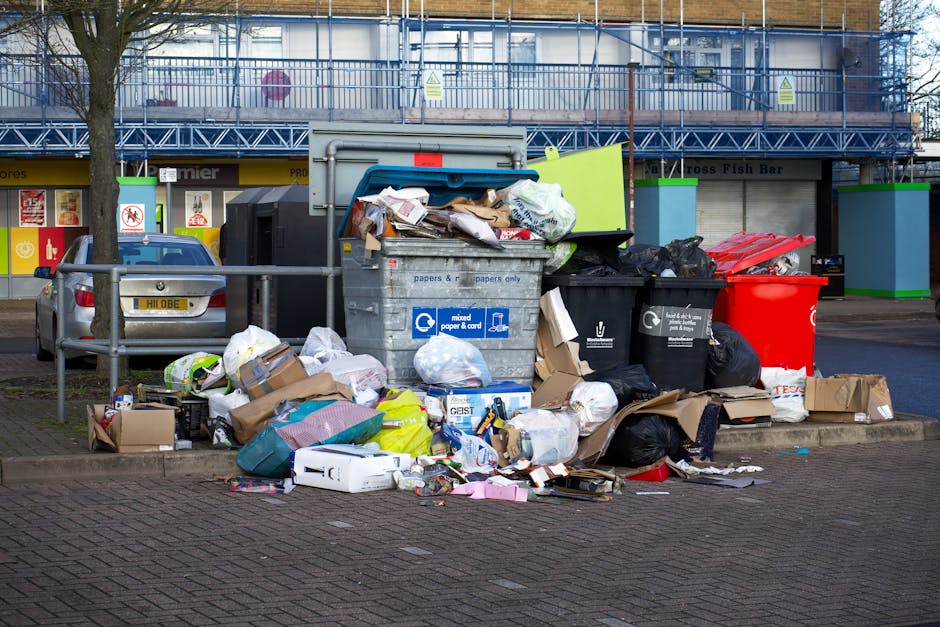
Mitcham Road is busy in the way London streets tend to be busy: traffic moving, people stopping, deliveries arriving when they feel like it, and business owners trying to keep everything tidy in between. That mix makes commercial waste more than an afterthought. If waste is not managed well, it can spill into customer-facing areas, create health and safety issues, and make a good-looking business feel neglected very quickly.
For local businesses in Tooting, the real value is control. Regular rubbish collection keeps back-of-house areas usable. It reduces clutter around entrances and loading points. It also helps make sure waste is separated properly, which matters for both cost and environmental responsibility. To be fair, most business owners do not need a lecture on rubbish. They need the rubbish gone, on time, without drama. That is the point.
There is also the local reality of space. Many commercial premises around Mitcham Road do not have generous storage for waste. A few missed collections, and suddenly a small bin area feels like it has shrunk overnight. Commercial rubbish services are there to stop that slow creep before it turns into a nuisance or, worse, a complaint from neighbours, customers, or staff.
Expert summary: the best commercial waste arrangement is usually the one that matches your actual output, your operating hours, and your space constraints. Fancy systems are not the goal. Reliable collection, sensible sorting, and clear responsibility are.
How Mitcham Road commercial rubbish services in Tooting Works
At a practical level, commercial rubbish services usually start with a simple assessment: what sort of waste do you produce, how much of it is there, how often does it build up, and where can it be collected from safely? From there, a provider can suggest a one-off clearance, ad hoc collections, or a regular service schedule.
In many cases, the process looks something like this:
- Waste review: You identify the main waste streams, such as general rubbish, cardboard, food waste, packaging, or bulky items.
- Collection plan: A schedule is agreed that suits your trading pattern and storage space.
- Safe presentation: Waste is placed in the correct containers or bags, ready for removal.
- Collection and transport: Waste is removed and taken for sorting, treatment, recycling, or disposal, depending on its type.
- Ongoing adjustment: If your business gets busier, changes layout, or starts generating different waste, the plan can usually be updated.
That sounds simple, and in a clean office it almost is. In a busy shop or food business, though, there are usually a few moving parts. Delivery days might overlap with waste collection. Staff may forget to flatten cardboard. A narrow passage at the back can make access awkward. These little things matter because they affect whether collections happen smoothly or become one more thing everyone mutters about on a Thursday morning.
If your business generates varied waste, it often helps to separate streams early. The waste does not need to be overcomplicated, but a little structure goes a long way. A mixed bin full of cardboard, cans, and general rubbish is usually more awkward to handle, and sometimes more expensive, than a setup that is just a bit better organised.
You can also compare your needs against the broader options listed in the services overview if you are still figuring out whether you need collection, clearance, or a more routine waste solution.
Key Benefits and Practical Advantages
There are obvious benefits, and then there are the ones business owners only notice once they have a system in place. Clean premises are the obvious one. Better working conditions are another. But a good rubbish service can also free up time, reduce friction between staff, and make your business look sharper to customers and suppliers.
Here are the main practical advantages:
- Cleaner premises: Waste does not sit around long enough to become part of the scenery.
- Better hygiene: Especially important for food service, hospitality, and customer-facing businesses.
- More usable space: Storage areas stay clearer and easier to work in.
- Reduced staff hassle: Teams spend less time improvising with overflowing bins.
- Improved presentation: Customers tend to notice tidiness, even if they never mention it.
- Safer handling: Less loose rubbish usually means fewer trip hazards, spills, and awkward lifting moments.
- Better sorting: Thoughtful separation can support recycling and reduce contamination.
There is also a quieter benefit: peace of mind. When waste is under control, it stops hanging over you. You are not wondering whether the skip area will be a mess by Monday, or whether someone will complain about a smell in the alley. That kind of mental breathing room matters more than people admit.
If your operation includes office space, retail stockrooms, or shared commercial premises, pairing waste collection with office clearance in Tooting can sometimes be the neater route, especially when you are dealing with old furniture, broken fixtures, or accumulated paper waste.
Who This Is For and When It Makes Sense
Commercial rubbish services are for any business that cannot rely on ordinary domestic-style collection. That includes independent traders, multi-site operators, landlords with commercial units, and anyone whose waste stream is too frequent, too bulky, or too mixed to manage casually.
In and around Mitcham Road, this often includes:
- cafes and takeaways
- restaurants and pubs
- shops and convenience stores
- hair and beauty businesses
- small offices and agencies
- workshops and trade counters
- managed rental properties with commercial waste obligations
- premises being refurbished or cleared down between tenancies
It makes sense when waste starts to affect operations. A few common triggers are worth watching for:
- bin storage fills up before the next collection
- cardboard is stacking in customer or staff areas
- you have bulky waste after a refit or equipment upgrade
- your team is spending time moving rubbish around instead of running the business
- the property has access restrictions that make routine disposal awkward
Sometimes the trigger is a seasonal rush. A shop before Christmas. A cafe after a marketing push. A salon after a refit. Waste volume goes up faster than most people expect. Then suddenly the system that worked fine in February starts wobbling. Happens all the time, truth be told.
Step-by-Step Guidance
If you want a sensible way to set up Mitcham Road commercial rubbish services in Tooting, start with what is actually happening on site. Not what you hope is happening. What is really happening.
- Walk the site at the busiest time. Look at where rubbish builds up after deliveries, service periods, or stock unpacking. You will often spot the problem in ten minutes.
- Identify your waste types. Separate general waste, cardboard, food waste, packaging, bulky items, and anything specialist such as electrical items.
- Estimate volume honestly. If your bins are always bulging, do not pretend they are fine. Underestimating waste is one of the easiest ways to create avoidable mess.
- Check access points. Can waste be removed without blocking staff routes, customer entrances, or neighbours' property? If not, the collection plan needs adjusting.
- Set a collection rhythm. One-off, weekly, twice-weekly, or as needed. The right schedule depends on how quickly waste builds.
- Brief staff properly. Even a good system breaks down if everyone uses the bins differently.
- Review after a couple of weeks. Small tweaks now can stop a pattern of mess or overflow later.
One useful trick: stand where your customer stands, then look around. If you can see waste or smell it, they probably can too. That small perspective shift is annoyingly effective.
If the job is more than routine rubbish and involves a bigger property reset, the broader waste clearance in Tooting service may be a better fit than trying to piece everything together yourself.
Expert Tips for Better Results
The difference between a tidy waste setup and a constant headache is usually not the collection itself. It is the small habits around it. In our experience, the businesses that get the best results treat waste like part of operations, not a side quest.
Here are some practical tips that genuinely help:
- Flatten cardboard immediately. Do not leave it to breed in a corner. Cardboard multiplies when nobody is looking.
- Keep bin routes clear. If collection access is blocked by deliveries, plan around that pattern.
- Label containers clearly. Staff are more likely to sort correctly when the system is obvious.
- Use lidded containers where needed. Helpful for odour control and cleanliness, especially with food-related waste.
- Store waste away from heat and direct sun where possible. A small thing, but it helps with smell and hygiene.
- Train new staff early. Waste habits form quickly, and not always the good ones.
- Build in a buffer for busy periods. Friday nights, event weeks, or seasonal spikes can produce more rubbish than expected.
Another quiet tip: keep a simple note of what is collected and when. Nothing glamorous. Just a basic record. It helps you spot when volumes change, and that makes it easier to adjust before things slide into chaos.
For businesses concerned about responsible disposal, it is worth looking at the provider's approach to recycling and sustainability. Even if you are mainly trying to keep the premises clean, it is sensible to know how your waste is being handled once it leaves the site.
Common Mistakes to Avoid
The same few mistakes turn up again and again. Nothing dramatic. Just the kind of thing that becomes a problem because people assume it will sort itself out. It rarely does.
- Mixing everything together: This can make waste harder to handle and may reduce recycling opportunities.
- Underestimating volume: Especially after refits, promotions, or seasonal trade spikes.
- Ignoring access issues: A collection is only easy when the route is actually usable.
- Leaving waste outside too early: It can create nuisance, attract pests, or look untidy before collection time.
- Not briefing staff: One person may know the system well while everyone else quietly invents their own version of it.
- Choosing a service without checking what it covers: A bit of clarity upfront saves awkward surprises later.
- Forgetting specialist items: Bulky fixtures, electricals, and certain commercial materials may need separate handling.
A smaller mistake, but a common one: assuming the cheapest option is automatically the best. Sometimes it is. Often it is not. A slightly better fit can save time, reduce disruption, and prevent repeat collections that add up in a rather unhelpful way.
Tools, Resources and Recommendations
You do not need a big toolkit to manage commercial rubbish well. What helps most is a clear setup and a few simple habits. Still, a handful of practical tools can make life easier.
| Tool or resource | What it helps with | Why it matters |
|---|---|---|
| Labelled bins or sacks | Sorting waste by type | Reduces confusion and contamination |
| Basic collection log | Tracking waste volume and timing | Helps you spot patterns and seasonal spikes |
| Site access checklist | Confirming clear routes for collection | Prevents delays and awkward handling |
| Staff waste briefing | Training new and existing team members | Keeps the system consistent |
| Service comparison notes | Weighing one-off vs regular collections | Helps you choose the right level of support |
One thing that often gets overlooked is the value of a written routine. Not a long manual. Just a few lines: what goes where, when waste goes out, who checks the area, what to do if there is a spill or an overflow. Simple, but it works.
If you are at the point where a business move, refit, or closure is generating mixed waste and furniture, you may also want to look at furniture removal in Tooting alongside your rubbish plan, so the whole job is handled in one go rather than piecemeal.
Law, Compliance, Standards, or Best Practice
Commercial waste handling in the UK comes with responsibilities, and it is best not to guess. Businesses are generally expected to manage waste properly, use appropriate carriers, and keep waste from becoming a nuisance or a risk. The exact detail depends on the waste type and the nature of the business, so if you deal with specialist materials, extra care may be needed.
As a practical matter, you should pay attention to a few common best-practice points:
- Use a legitimate waste carrier: This helps reduce the risk of illegal dumping or poor handling.
- Keep records where appropriate: Especially useful for business accountability and operational clarity.
- Separate waste sensibly: Mixed waste is harder to manage and may reduce recovery options.
- Handle hazardous or specialist items carefully: These should never be treated like ordinary rubbish.
- Keep storage areas safe and tidy: Clean, accessible waste areas reduce pest, odour, and trip hazards.
If you want a deeper look at the company-side expectations, the page on waste carrier licence and compliance is the right place to start. That sort of transparency matters. It is one of those things you do not think about until you really need to.
There are also related internal standards around safety and secure handling, so if a provider is storing, lifting, or transporting awkward loads, their approach to insurance and safety should be clear and sensible. No drama, no jargon. Just proper care.
Options, Methods, or Comparison Table
Not every business needs the same waste solution. A small office, a busy takeaway, and a shop refurbishment all call for slightly different approaches. Here is a straightforward comparison to help you think it through.
| Method | Best for | Strengths | Limitations |
|---|---|---|---|
| Regular commercial collections | Ongoing waste from steady business activity | Predictable, tidy, easy to plan around | May be more than you need for occasional waste |
| One-off rubbish removal | Clear-outs, refurbishments, short-term spikes | Flexible and quick to arrange | Not ideal for ongoing waste output |
| Mixed commercial clearance | Premises with furniture, fixtures, and general waste | Efficient for bigger resets | Needs clearer planning and access |
| Targeted waste stream collection | Businesses with distinct recyclables or food waste | Supports sorting and tidiness | Requires better staff discipline |
So which one is best? It depends on how your waste behaves week to week. A business that produces the same kind of rubbish every day usually wants regular collection. A business going through change often needs a one-off clearance first, then a smaller ongoing service after the dust settles.
If your situation is more retail-led or stock-heavy, rubbish collection in Tooting can be a useful middle ground between full clearance and a more structured waste service.
Case Study or Real-World Example
Here is a realistic example. A small cafe near Mitcham Road was dealing with a familiar problem: cardboard from deliveries, food waste from daily service, and a back area that was turning into a nuisance by Thursday afternoon. Staff were spending time shifting bags around before opening, and the whole space felt more cramped than it needed to be.
The first fix was not complicated. They separated cardboard from general waste, made sure boxes were flattened straight away, and introduced a collection pattern that matched delivery days instead of fighting against them. That alone made a visible difference. The back area stopped filling up so fast, and opening staff were no longer doing that awkward shuffle around overfilled sacks at 8 a.m.
Later, when the cafe replaced a few old fixtures and wanted a broader reset, they used a more complete clearance approach to remove broken chairs, outdated storage, and a few bulky items that had been sitting there for far too long. Nothing flashy. Just a sensible sequence: tidy the routine waste first, then deal with the heavier stuff.
The nice part was how quickly the space felt easier to work in. You could hear it, even, the small relief in the room. Less scraping of bins, less muttering, more room to breathe. That is often what good waste management gives you. Not applause. Just a business that feels easier to run.
Practical Checklist
Use this checklist before booking or reviewing Mitcham Road commercial rubbish services in Tooting.
- Identify all waste types your business produces
- Check how often each waste stream builds up
- Measure or estimate the storage space you actually have
- Confirm access routes for collection are clear
- Separate cardboard, general rubbish, and specialist waste where possible
- Brief staff on what goes where
- Review whether you need one-off or regular collection
- Ask how bulky items or mixed waste will be handled
- Make sure the provider's compliance and safety approach is clear
- Set a review date after the first few collections
Quick takeaway: if the waste area feels chaotic, the answer is usually not "more bins" on its own. It is better structure, better timing, and a collection method that matches the way your business really operates.
Conclusion
Mitcham Road commercial rubbish services in Tooting are really about making business life smoother. Less clutter. Less disruption. Fewer awkward moments at the back door. When the setup is right, waste stops being a recurring problem and becomes just another well-handled part of the day.
The best approach is the one that fits your space, your workload, and your pace of trade. Start with what you generate, be honest about how quickly it builds, and choose a system that makes the premises easier to run rather than harder. That simple. Not always easy, but simple.
If you are comparing providers or planning your next step, look for a service that understands both local conditions and practical business pressures, because in real life those two things are always tangled together a bit.
Get a free quote today and see how much you can save.
And if you get the waste right, everything else around it tends to feel a little lighter too.



 Tipper Van - Waste Removal and Rubbish Clearance Prices in Tooting, SW17
 Luton Van - Waste Removal and Rubbish Clearance Prices in Tooting, SW17